What Is Earnest Money When Buying a House?
By Jerry L Kindig III, NMLS #2397823
You found the house, your agent wrote the offer, and the seller said yes. Then someone tells you to send your earnest money in the next few days. If you're a first-time buyer, that's usually when the questions start. How much is it? Who gets it? Can you lose it?
Buyers ask me about earnest money all the time, so here's how it works in plain English, and how to keep yours safe.
What is earnest money?
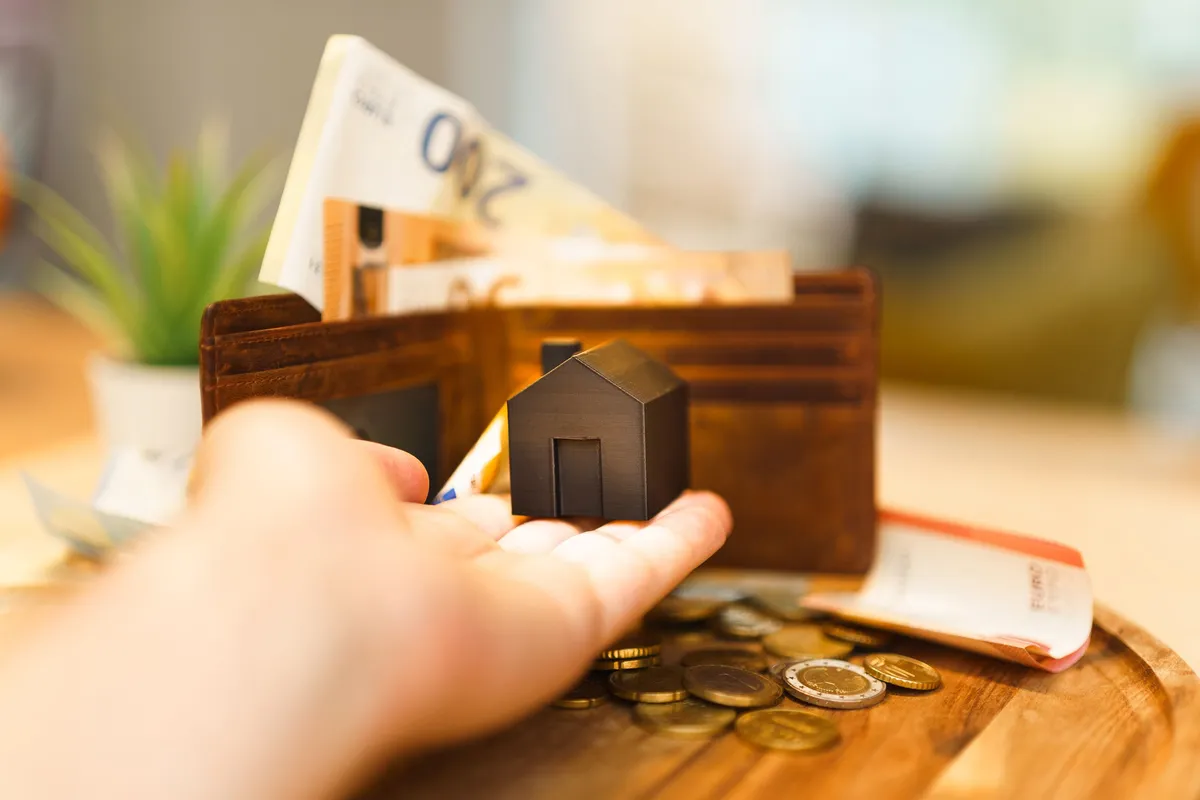
Earnest money is a deposit you pay to show the seller you're serious after you both sign a purchase contract. The Consumer Financial Protection Bureau describes it as a deposit a buyer pays to show good faith on a signed contract to buy a home. It tells the seller you're not going to walk away for no reason after they take the home off the market.
The key thing to know: earnest money isn't an extra fee on top of the price. If the sale closes, it's usually credited toward your down payment or closing costs. It's money you were going to bring anyway, you're just paying some of it early.
How much earnest money do you need?
There's no federal rule that sets the amount. It's negotiated between you and the seller and written into your contract. It's usually a small percentage of the price, and it can vary a lot depending on:
- Your local market. In a busy market with multiple offers, sellers may expect more. In a slower market, a smaller deposit may be fine.
- The price and type of home. New construction, land, and higher-priced homes can come with different expectations.
- Local custom. Some areas lean toward a flat amount, others toward a percentage.
Your real estate agent knows what's normal where you're buying. A bigger deposit can make your offer look stronger, but only put up what you're comfortable having tied up until closing.
Who holds the earnest money?
You usually don't hand it straight to the seller. In most deals, a neutral third party holds it in an escrow or trust account until closing, such as a title company, escrow company, real estate brokerage, or attorney. Your contract should spell out who holds it, how much it is, and when it's due.
Be careful if a seller or builder wants to hold the money themselves. If something goes wrong on their end, it can be harder to get it back. Ask questions before you agree to that.
When do you get earnest money back, and when can you lose it?
This is the part that matters most. Whether you get your deposit back depends on your contract, especially its contingencies. A contingency is a condition that has to be met for the sale to move forward. Common ones include:
- Inspection contingency. If the inspection turns up problems, you may be able to negotiate repairs or cancel within the inspection period.
- Financing contingency. If your loan doesn't come through by the deadline, you may be able to cancel and keep your deposit.
- Appraisal contingency. If the home appraises below the price, you may be able to renegotiate or cancel.
- Home sale contingency. Some offers depend on selling your current home first.
If you cancel for a reason the contract allows, and you do it within the deadlines, you generally get your earnest money back. If you back out for a reason the contract doesn't allow, or miss a deadline, the seller may be able to keep it.
Deadlines are where buyers get burned. Mark every contingency date on your calendar, and talk to your agent the moment something looks off. If you have legal questions about your contract, a real estate attorney is the right person to ask.
How earnest money fits into your loan
Your lender will want to see where the earnest money came from. Expect to show a bank statement with the money leaving your account, plus a copy of the cleared check or wire confirmation. If you're using gift funds for part of it, check out our guide on using gift money for a down payment so the paper trail is clean from the start.
One more tip: don't pay your earnest money in cash, and don't move money around between accounts right before you send it. A simple, documented path makes underwriting a lot easier. Our post on documents needed for pre-approval covers what else lenders usually ask for.
On your Loan Estimate and Closing Disclosure, the deposit shows up in the cash to close section, which lowers what you bring on closing day. To see the whole picture of upfront money, read how much money you need to buy a house.
Watch out for wire fraud
Scammers target homebuyers because earnest money and closing funds are often sent by wire. A common trick is a fake email that looks like it's from your agent or title company with "updated" wiring instructions.
- Before you wire anything, call the title or escrow company at a phone number you found yourself, not one from the email.
- Treat any last-minute change to wiring instructions as a red flag.
- Confirm with the title company that the money arrived.
Once a wire is gone, it can be very hard to get back. A two-minute phone call is worth it.
FAQ
Is earnest money part of the down payment?
Usually, yes. If the sale closes, the deposit is typically credited toward your down payment or closing costs.
Is earnest money refundable?
It depends on your contract. If you cancel for a reason your contingencies allow and stay within the deadlines, you generally get it back. If not, the seller may be able to keep it.
When do I pay earnest money?
Soon after the seller accepts your offer and you both sign the contract. Your contract will say exactly when it's due.
Do I need earnest money to get a mortgage?
It's part of the purchase contract, not the loan. But your lender will want to verify where the money came from.
Getting ready to make an offer?
If you're house hunting and want to know how much cash to set aside for earnest money, down payment, and closing costs, I'm happy to walk through the numbers with you. Start with how much house you can afford, try our mortgage payment calculator, or reach out anytime through our contact page.
Not all clients will qualify for these products. Eligibility and availability vary by program and borrower. This article is for general information only and is not legal or tax advice. It is not a commitment to lend or an offer of credit. Loan approval is subject to credit approval, underwriting, and property eligibility. Rates and programs change daily. Earnest money terms are set by your purchase contract and state law; talk with your real estate agent or attorney about your specific contract.
Jerry L Kindig III, NMLS #2397823 | Loan Factory, NMLS #320841 | Equal Housing Opportunity